

 Türkçe


Let Us Call You
Prosthetic Surgery
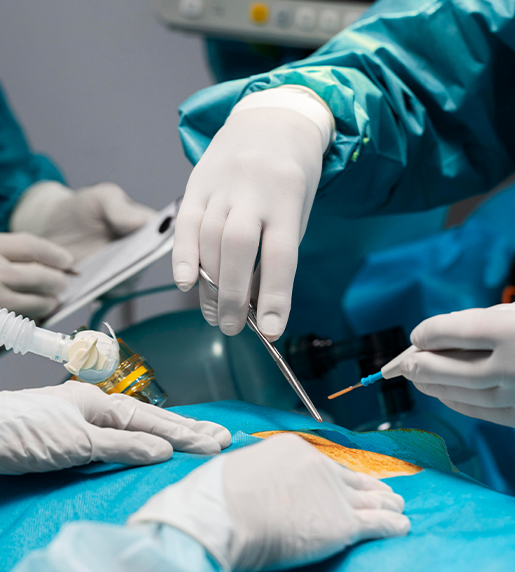
Prosthetic surgery is the process of removing the damaged joint surfaces and replacing them with a specially designed metal alloy prosthesis. During this surgical procedure, the joint surfaces — including bone tissue — are shaped to match the dimensions of the prosthesis being placed.
What is Total Knee Replacement?
Total knee replacement, also known as knee arthroplasty, involves covering the worn-out surfaces of the knee joint with artificial components made from special metals and polyethylene to restore joint function and reduce pain.
This treatment is applied when medications, physical therapy, and intra-articular injection therapies fail to relieve chronic knee pain. It is particularly suitable for patients who experience significant limitations in daily activities such as walking or climbing stairs, often due to severe cartilage loss and joint degeneration.
Causes of Knee Joint Deterioration
- Genetic predisposition (family history of joint disorders)
- Congenital abnormalities in knee joint structure
- Impaired blood flow to the knee region
- Rheumatic diseases
- Metabolic disorders
- Blood clot-related damage to the joint
- Obesity
Who is a Candidate for Knee Replacement?
Knee prosthesis is primarily used to treat patients with knee osteoarthritis. The decision for surgery is not based on age but rather on the severity of joint damage and the level of pain experienced. This procedure can be safely applied to individuals ranging from 16 to 90 years old, depending on clinical indications.
Non-Surgical Treatment Alternatives
- Joint Fusion Surgery: Used in patients involved in physically demanding work. However, it significantly limits joint mobility and is not commonly preferred.
- Arthroscopic Joint Cleaning: Through arthroscopy, debris and damaged tissues inside the joint are cleaned, but it does not halt or reverse calcification.
- Use of Knee Pads or Insoles: These devices can reduce load on the knee but are not effective in treating cartilage degeneration or bone calcification.
- Physiotherapy: Helps strengthen surrounding muscles and offers temporary pain relief but does not stop the progression of joint calcification.
The Surgical Process
Prior to surgery, the patient is examined for any possible infections. Blood and urine tests are evaluated to ensure the patient is eligible. If the patient is on blood thinners, they are usually discontinued 5 to 10 days before the surgery depending on the medication type.
Prosthetic surgery must be performed in operating rooms equipped with special air filtration and ventilation systems. Standard operating rooms are not suitable due to infection risk.
Post-Surgery Recommendations
After the surgery, patients are initially mobilized using a wheelchair. To prevent blood clots in the legs, it is crucial that the patient walks slowly with support every 2-3 hours. Blood thinners should be continued after discharge for at least 30 days.
Proper care, physical activity under supervision, and medical follow-up are vital for a successful recovery after knee replacement surgery.
Conclusion: Prosthetic surgery, especially total knee replacement, is a safe and effective solution for restoring mobility and quality of life in patients suffering from severe joint damage. With proper diagnosis and post-operative care, patients can regain independence and reduce chronic pain.
We treat a wide range of conditions including fractures, joint dislocations, arthritis, sports injuries, spinal disorders, and congenital deformities. Both surgical and non-surgical options are available.
Our specialists perform joint replacements (hip, knee, shoulder), arthroscopy, spinal surgeries, trauma surgery, and reconstructive orthopedic procedures with advanced techniques and technologies.
Recovery varies by procedure. Simple arthroscopic surgeries may heal in a few weeks, while joint replacements or spinal surgeries may require several months of rehabilitation and physical therapy.
Yes, physical therapy is essential for full recovery. It helps restore movement, strength, and functionality while reducing pain and preventing complications.
Absolutely. We offer orthopedic surgery packages that include travel arrangements, accommodation, post-op rehabilitation, and multilingual support for patients coming from abroad.